P3 Pallet3D editorial team7 min readPublished: 5 November 2026
EUR pallet exchange: pallet settlement in transport, charges and non-returnable pallets
Find out how to determine pallet balances, document handover and distinguish returnable pallets from non-returnable ones.
EUR pallet exchange in transport does not happen automatically just because the cargo is sent on euro pallets. The parties must agree on a settlement model: exchange piece for piece upon delivery, keeping a pallet balance with later return, or using non-returnable pallets. A charge can only be considered after comparing the arrangements, documents and the load carriers actually handed over.
In this article
The EUR format does not on its own determine an obligation to exchange pallets.
The balance is calculated as the difference between pallets issued and received.
The handover document should indicate the number, type and condition of the pallets.
Exchangeable, non-returnable and non-standard pallets require separate settlement.
What determines the settlement of EUR pallets
Pallet exchange rules result from commercial agreements and transport documentation, not from the pallet format itself or the presence of the EUR marking. Before loading, it should be decided whether the consignee returns the pallets directly upon delivery, or whether the return will take place later and be settled as a balance. The third option is non-returnable pallets, whose handover does not create a balance to be returned, if this has been agreed between the parties.
Piece-for-piece exchange means the physical transfer of a comparable number of agreed pallets at the delivery point. Under balance accounting, the load carriers may not return at the same moment, but the difference between issued and received remains assigned to a given contractor, order or settlement period. In pallet logistics, one should not assume that any of these models applies without explicit confirmation.
Before shipment, it is worth agreeing:
whether the exchange takes place at each delivery point or whether the return will be later,
which types of pallets are covered by the settlement and what pallet condition is accepted,
who counts and confirms the number of load carriers handed over,
which document confirms the issue, receipt and return,
the deadline and place of return in balance settlement,
the procedure for clarifying differences, damage and complaints.
This applies to both euro pallet transport and other wooden pallets used in carriage. Without these arrangements, it is difficult later to distinguish a lack of exchange from a mere delay in return or the handover of load carriers that were intended to be non-returnable from the outset.
Pallet balance and documenting handover
The pallet balance shows the difference between pallets issued and pallets received or confirmed as returned. The simplest notation is: issued − received = balance. The balance may relate to a single delivery or several orders settled jointly, but these two arrangements should be separated. A collective statement should not obscure information about which transport a given difference comes from.
The issue document, transport document and pallet receipt should make it possible to reconstruct the actual course of handover. For each pallet movement, record at least the number, type of load carrier, its condition, the date and the party confirming receipt. If pallet quality matters for a given transport, the condition description should be specific enough not to later combine a damaged pallet with a pallet accepted as fully functional.
Stage
What to record
Purpose
Issue
Number, type and condition of the pallets handed over
To establish the starting point for the balance
Receipt upon delivery
Number and type of pallets accepted or exchanged on site
Confirmation of physical exchange or difference
Later return
Number, date, place and document confirming the return
Reduction of the balance assigned to the order or contractor
Explanation of difference
Reference to issue, receipt and return documents
To determine the cause without guessing
The most common source of disputes is not the balance itself, but the inability to assign the difference to a specific handover. For this reason, the number of pallets in the documents should correspond to the actual issue and receipt, and corrections should indicate exactly what they concern.
When a pallet charge arises
A charge for pallets in transport does not arise automatically because no exchange took place upon delivery. A lack of pallets on site may mean a later return in line with the agreed balance. The situation is different when the pallets were non-returnable - in that case their number should not be treated as a shortage in the exchange pool.
Before further settlement, it is necessary to check whether the parties agreed on a return or exchange, which pallets were covered by the agreement and whether there is confirmation of their issue. The number, type and condition of the load carriers in the documents should also be compared. Only such a comparison allows one to assess whether an unsettled balance arose or whether the difference has another explanation.
In practice, it is worth going through the following sequence:
Determine the settlement model for the given order: on-site exchange, balance with later return, or non-returnable pallet.
Compare the confirmed issue with the receipt and later returns.
Check whether the discrepancy concerns the same type of pallets and whether their condition corresponds to the agreements.
Verify whether the return was recorded in another order or period.
Only after clarifying these points carry out further settlement in line with the parties' arrangements.
Not every document mismatch means that the pallet was not returned. The difference may result from an erroneous entry, confusion of load carrier types, or failure to assign the return to the correct delivery. Such a discrepancy should not be resolved solely on the basis of a collective balance.
Exchangeable, non-returnable and non-standard pallets - what not to combine
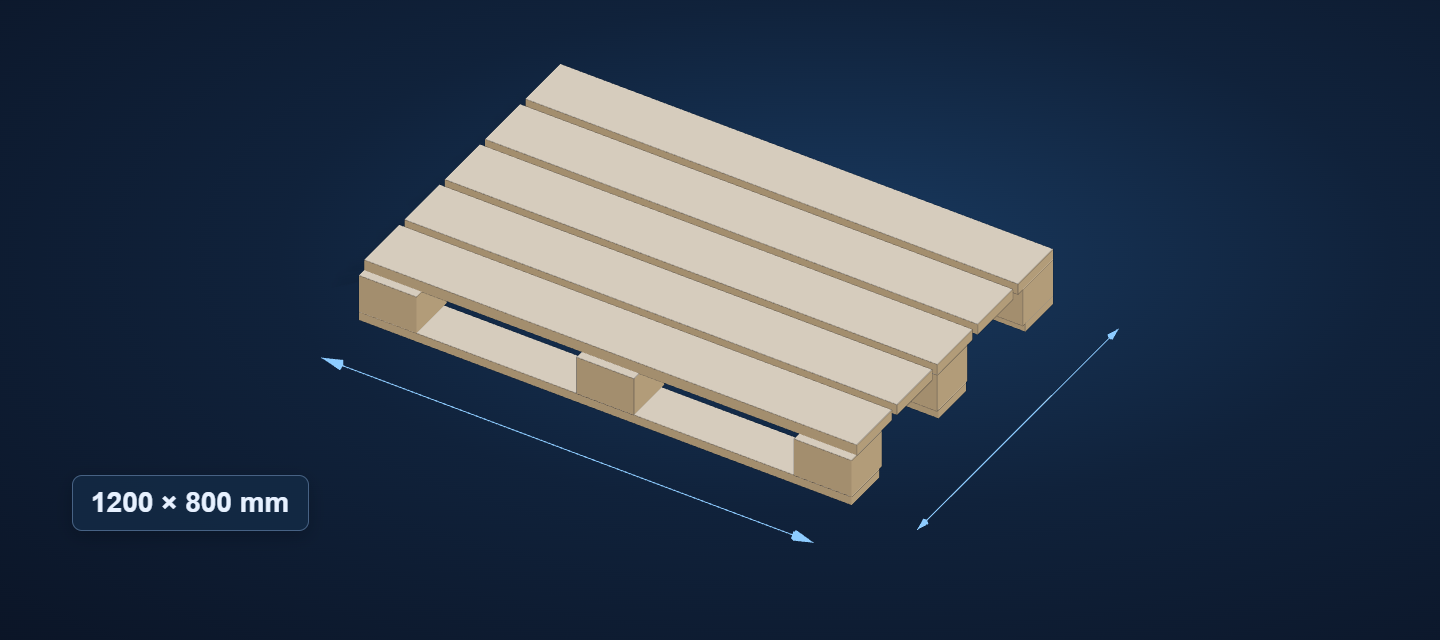
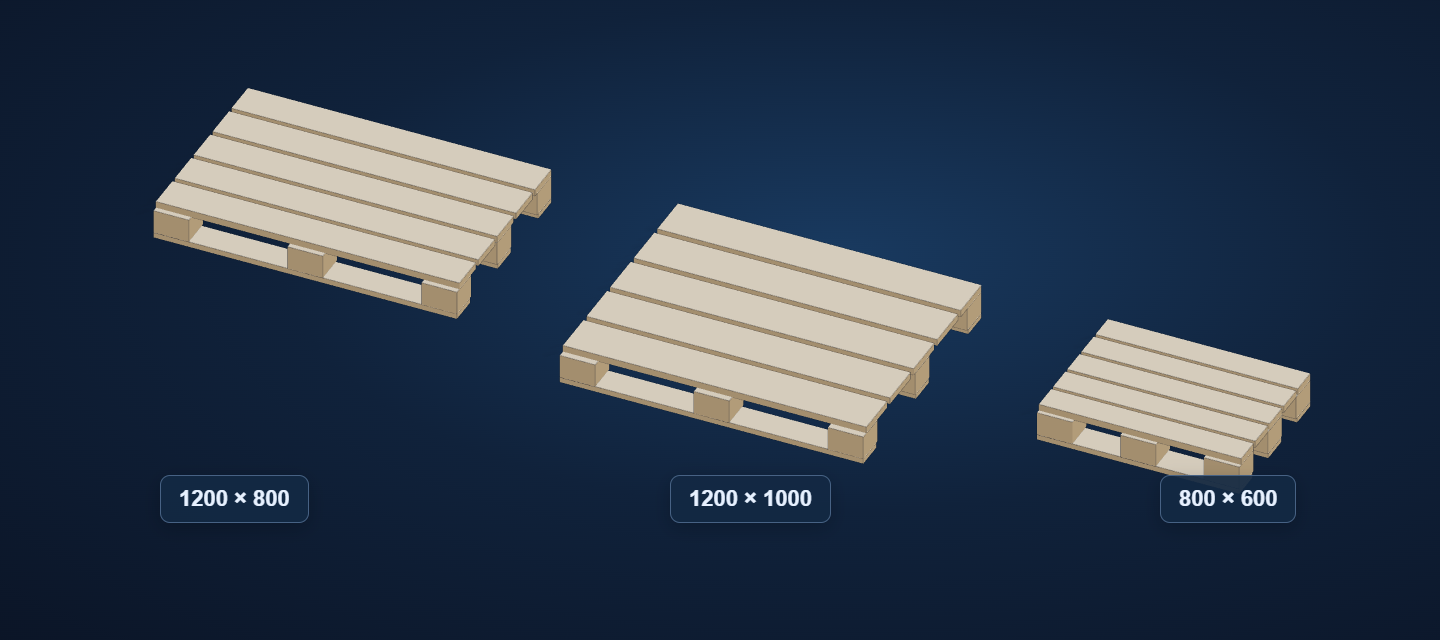
Pallet dimensions, construction and settlement status are separate issues. EPAL 1 measures 1200 × 800 × 144 mm, weighs around 25 kg, and its safe working load is 1500 kg according to the EPAL 1 specification. EPAL 2 measures 1200 × 1000 × 162 mm, weighs around 35 kg, and its safe working load is 1250 kg according to the EPAL 2 specification.
The parameters of EPAL 1 and EPAL 2 apply to specific EPAL standards. The 1200 × 1000 mm format alone does not allow every pallet to be assigned the characteristics of EPAL 2 or determine the rules for its exchange. Similarly, the term "industrial pallet" describes a usage category, not one mandatory standard of construction or settlement.
A non-returnable pallet may have dimensions similar to a popular format, but for that reason alone it does not create an automatic exchange balance. In the transport of non-standard pallets and pallet boxes, they should not be combined with the EUR pallet balance without explicit agreement. When different load carriers appear in one transport, keep separate entries for them in the documentation.
Example of settlement after delivery
Assume solely for calculation purposes that 10 pallets of the same type were issued and the consignee confirmed receipt or return of 7. The control balance is: 10 − 7 = 3 pallets for further clarification or return. The result does not determine a charge; the agreed exchange model and the documents for the specific transport must be checked.
Most common mistakes in pallet settlement
Starting transport without deciding whether on-site exchange, balance or non-returnable pallets apply.
Entering only the number of pallets without indicating their type and condition.
Treating all pallets of similar dimensions as identical in settlement.
Combining exchangeable, non-returnable, non-standard pallets and pallet boxes in one balance.
Missing confirmation of who collected the pallets and in what number.
Delaying balance control until the end of a longer period, when it is already difficult to reconstruct the course of individual deliveries.
A simple check after the order is completed consists of comparing the issue document, the receipt confirmation and any later return document. Assign each difference to a specific transport, pallet type and handover stage. This approach reduces the risk of settling load carriers that were not covered by the same exchange model.
Loading planning and pallet settlement
A loading plan does not replace pallet documents, but it helps determine in advance how many load carriers should be issued. Pallet3D is a single calculator operating in the browser, in which boxes or rolls can be entered together with dimensions and weight, and then their arrangement on pallets and the placement of pallets in a trailer or container can be planned. The number of pallets from the plan should be compared after loading with the actual issue, because load stability, weight limits, axle loads and the securing method require separate confirmation.
Plan your load in 3D
Enter your box sizes and Pallet3D shows the optimal layout in interactive 3D - 5 days free.