Pallets & packing
EUR pallet exchange: pallet settlement in transport, charges and non-returnable pallets
Find out how to determine pallet balances, document handover and distinguish returnable pallets from non-returnable ones.
Pallet sizes and types, choosing cartons and arranging layers. Practical guides to building stable loads and making better use of pallet space.
Pallets & packing (11)
Showing 1–11 of 11 articlesFind out how to determine pallet balances, document handover and distinguish returnable pallets from non-returnable ones.
Check the EPAL 1 parameters, working load and the rules for assessing the height of the unit and the entire vehicle before transport.
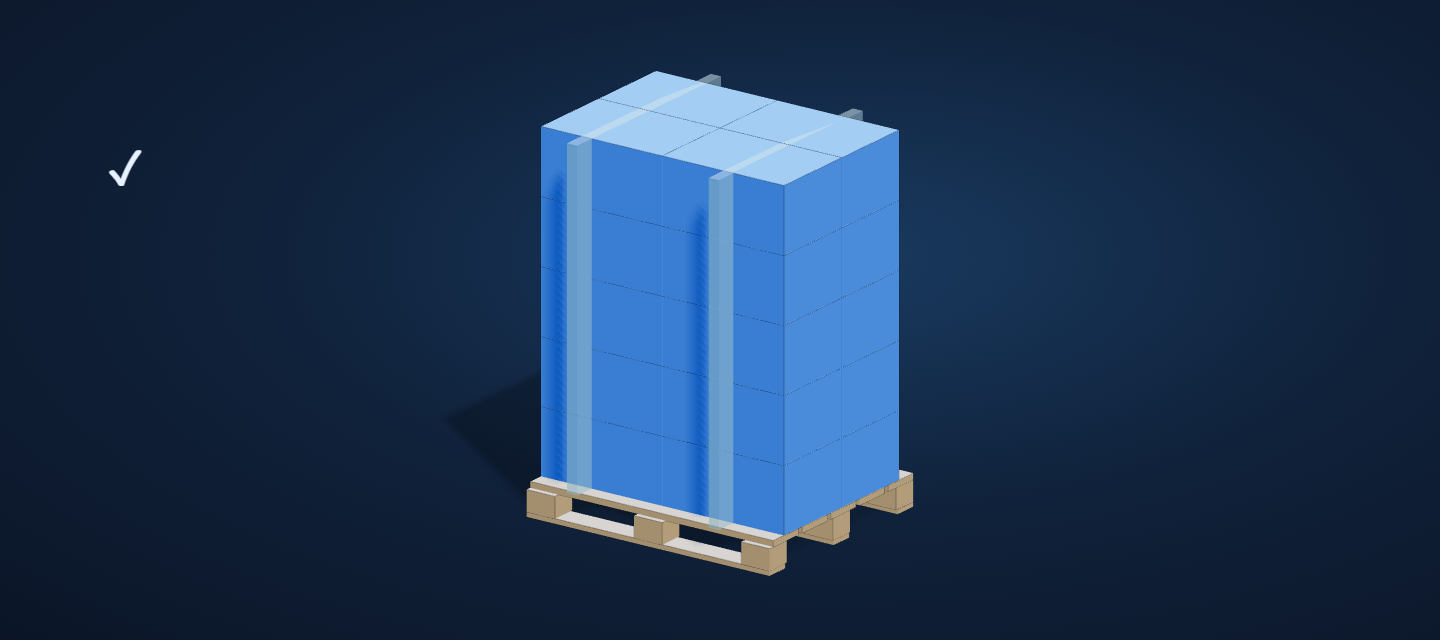
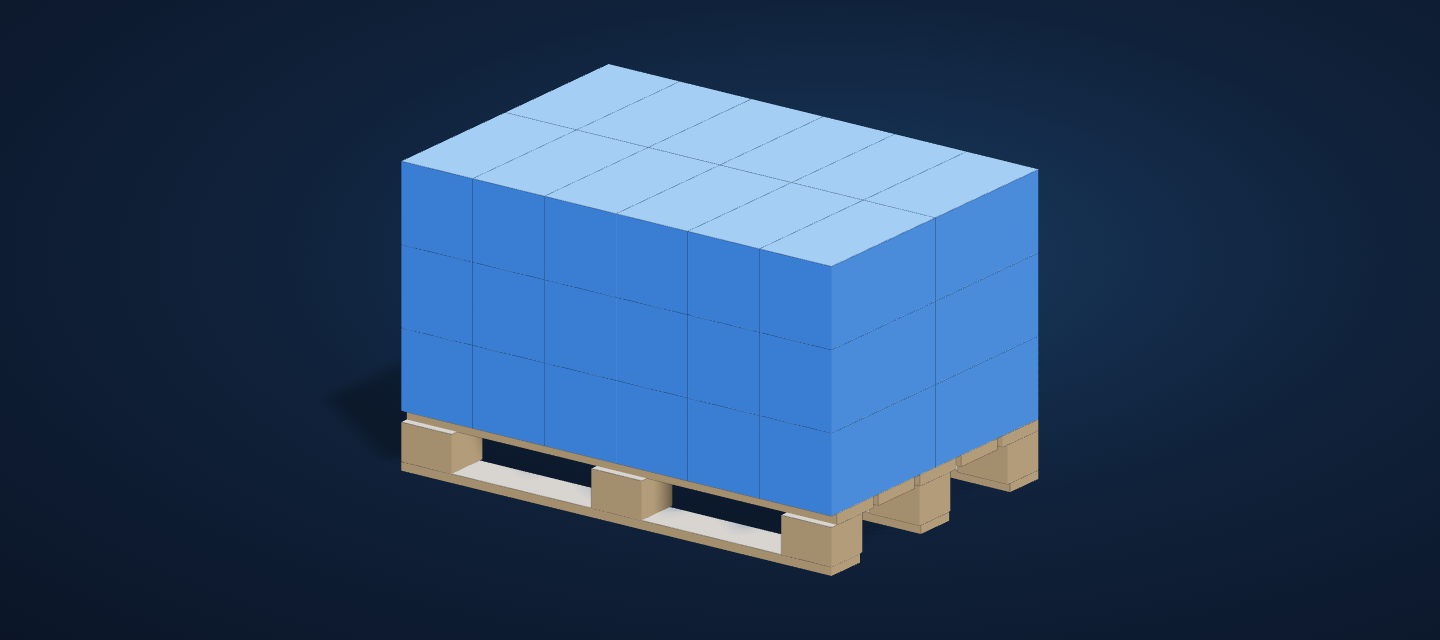
Find out how to form a load on a pallet: choose the carrier, stack the layers, distribute the weight, and assess the stability of the unit before securing and transport.
Letter, Large Letter, Small Parcel, Medium Parcel - and why the weight limit, not the space, is what usually stops you.
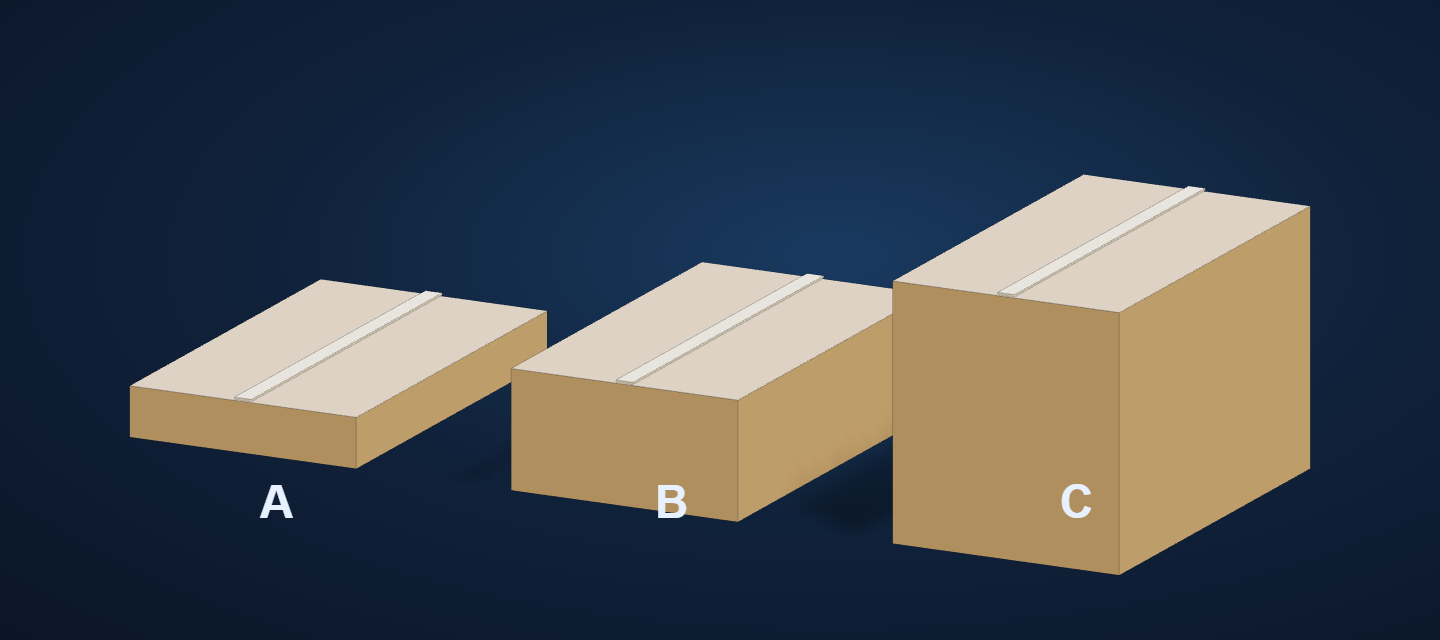
A box size is ordered once but paid for on every parcel. Where "length × width × height" fails and how to pick a size you can defend with numbers.
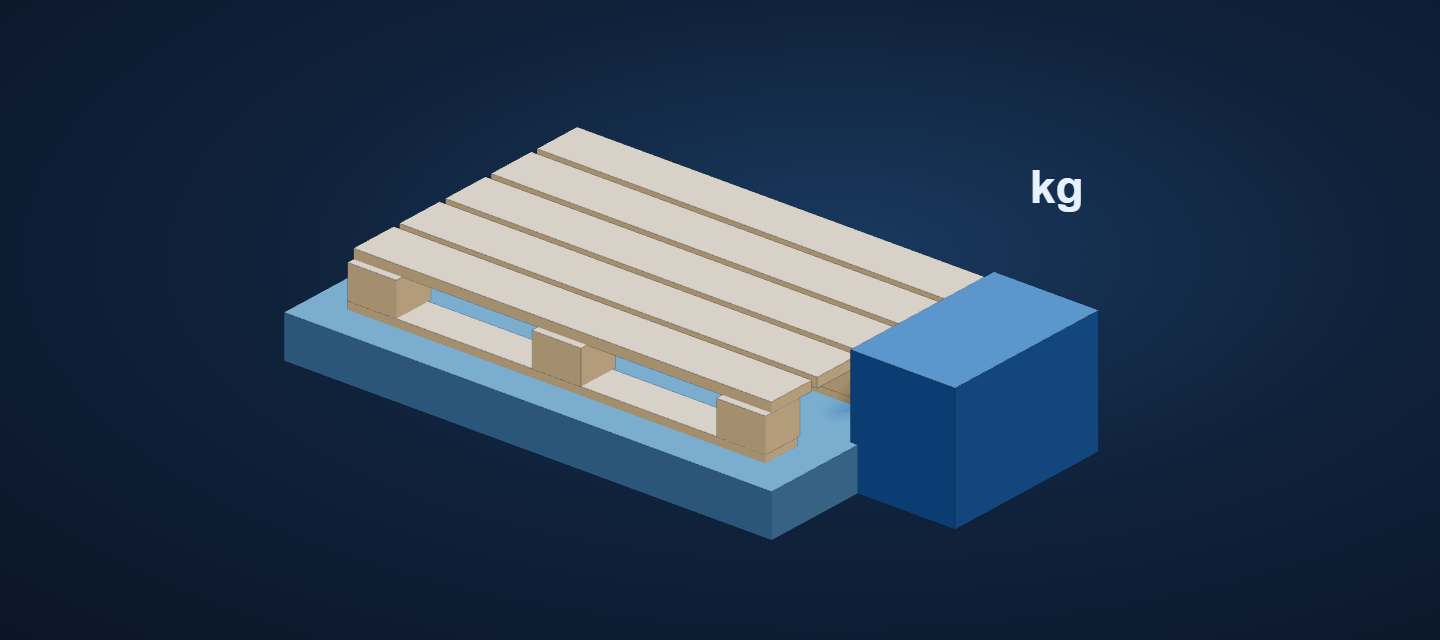
An empty EUR pallet weighs about 25 kg, an EPAL 2 about 35 kg. What moves those figures and how to turn them into gross shipment weight.
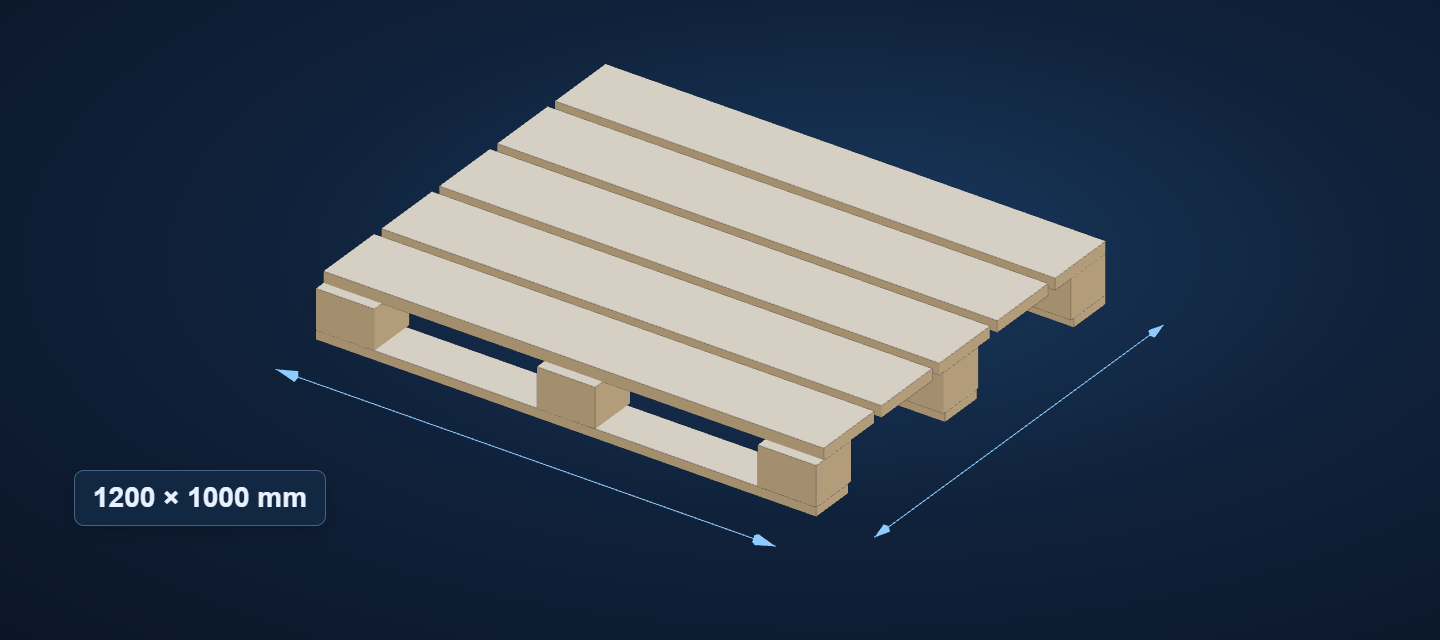
EPAL 2 measures 1200 × 1000 × 162 mm and carries 1250 kg - but not every 1200 × 1000 pallet is an EPAL 2. When the wider base actually pays off.
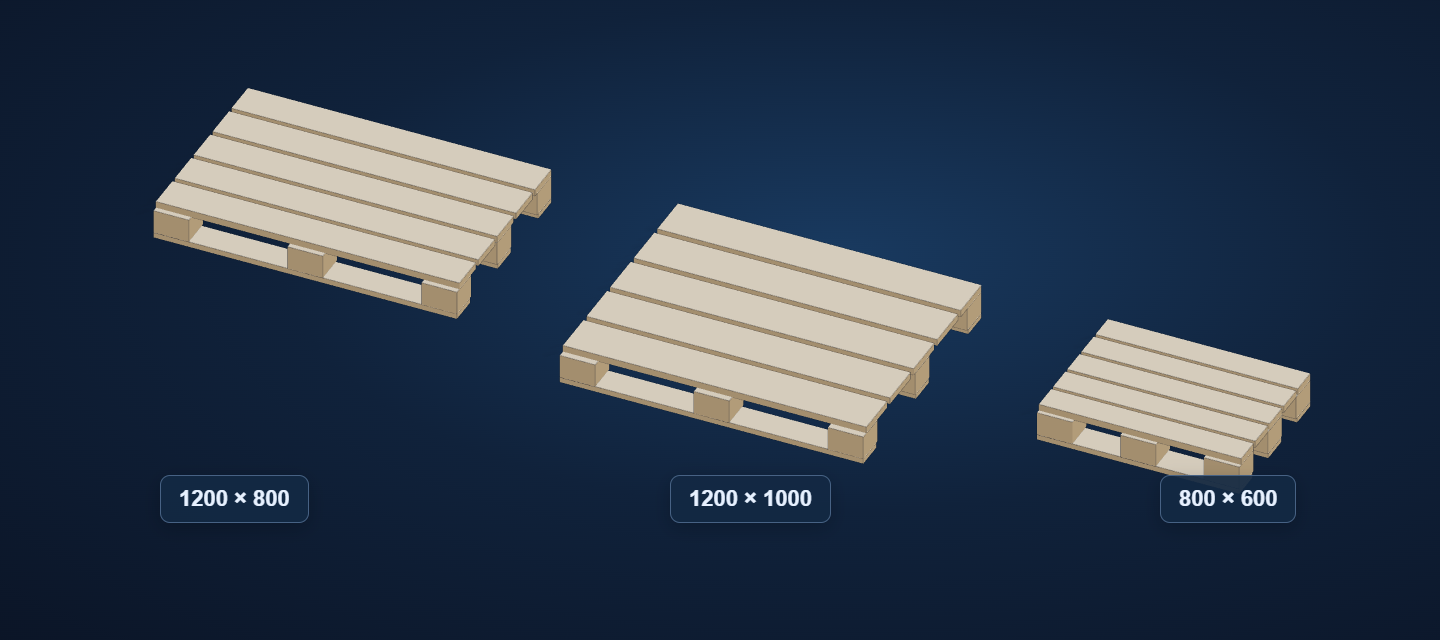
From the 1200 × 800 mm euro pallet to the 1219 × 1016 mm US pallet - what each standard means and how to choose the right format.
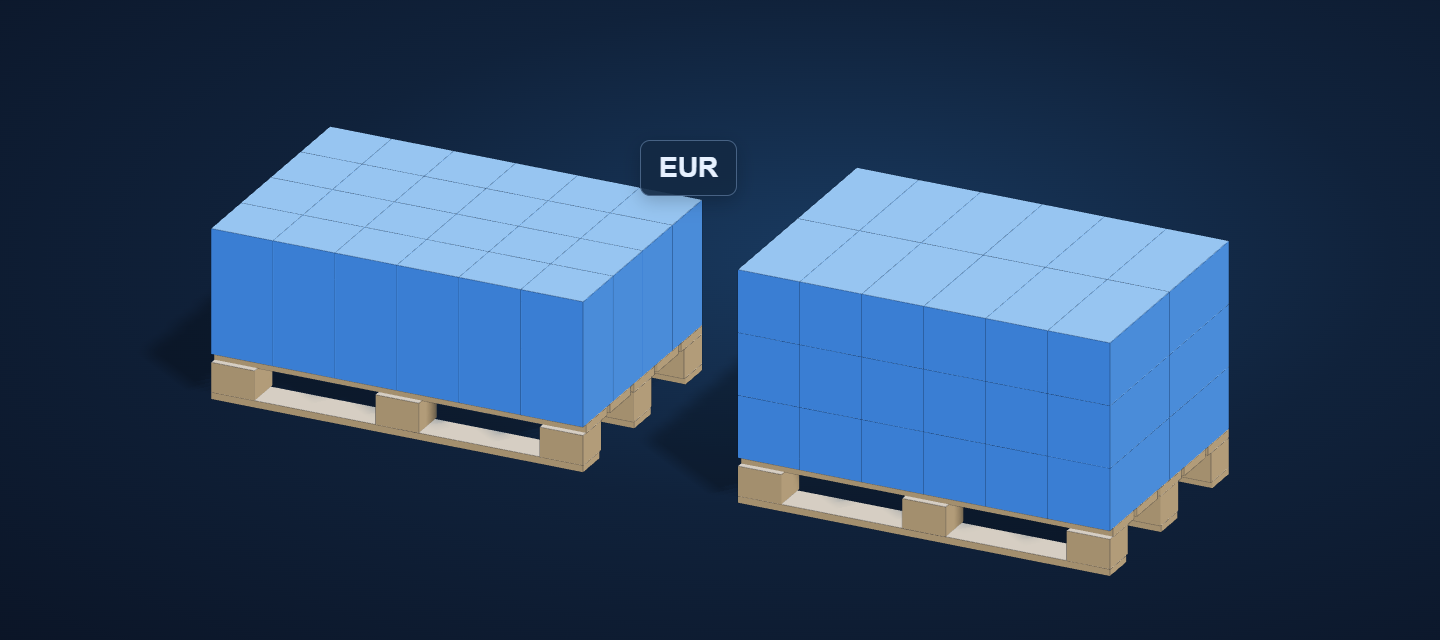
Even layers, weight low, no overhang - the rules plus three worked layer patterns for EUR and industrial pallets.
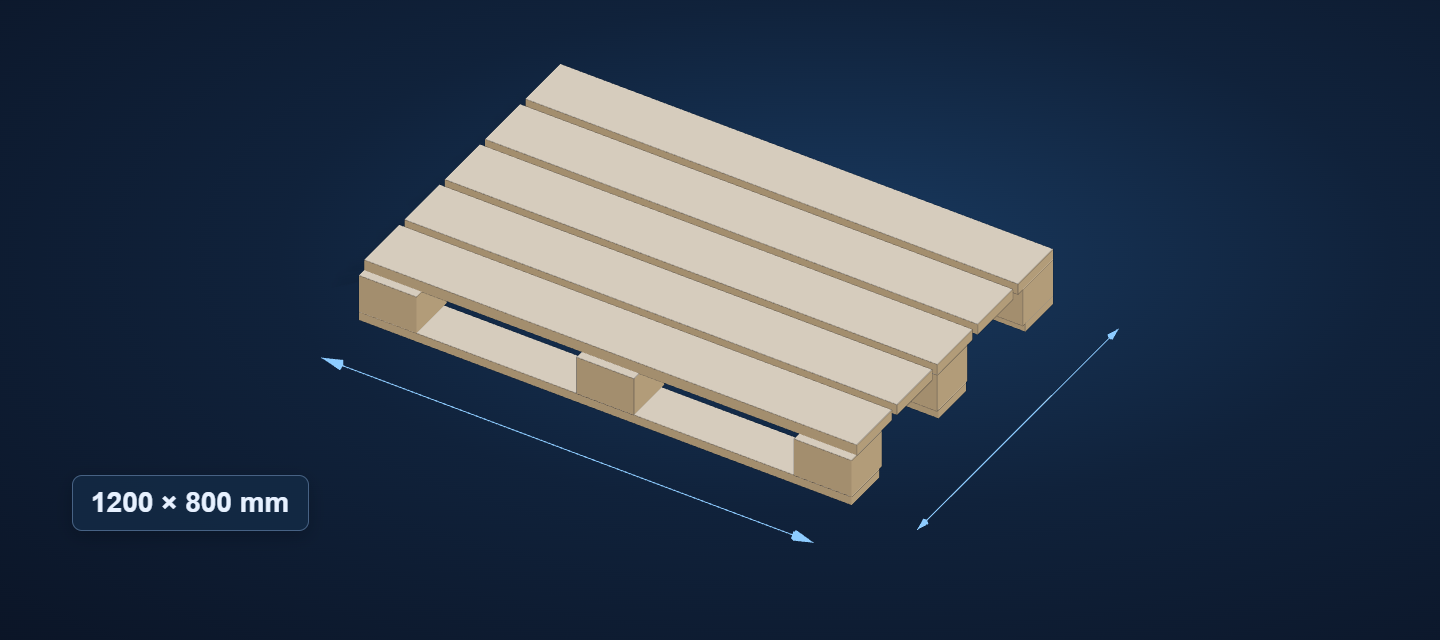
1200×800×144 mm, load capacity and weight. A table of EUR, industrial and half-pallet types, plus how many pallets fit in a trailer and container.
EUR pallet dimensions, the formula for the number of boxes per layer and per stack, plus the common mistakes that waste space.